
Everyone deserves the chance to explore the world, make memories, and try new adventures. Travel can feel a bit scary when you or someone in your family has accessibility needs. But with a little planning, it can be a smooth and wonderful experience. This guide gives you practical tips for planning accessible trips, so you can focus on the fun stuff, not the hassles.
Planning Your Accessible Journey
The secret to a great accessible trip is all in the preparation. Start by really digging into your destination. Look beyond the main tourist spots to get a feel for the general layout and what the ground is like. Are there steep hills, bumpy cobbled streets, or a reliable accessible public transport system? Reaching out to tourism boards directly can give you awesome local insights.
Making a detailed plan is super important. Don’t be shy about calling or emailing hotels, restaurants, and attractions ahead of time to ask specific questions about their facilities. Just saying something is “accessible” isn’t enough. Ask for details like how wide the doors are, how many steps there are, or if they have a ramp. For more help, some fantastic online resources are offering accessible travel planning tips that can help you think of everything. Being organised really helps make sure stress-free accessible travel for everyone involved.
Choosing the Right Accommodation
Finding the right place to stay is one of the most crucial parts of your plan. Lots of booking websites now have accessibility filters, but it’s always smart to double-check the details yourself. What one place calls an “accessible room” can be totally different somewhere else.
When you find a hotel or holiday rental that looks promising, ask for photos of the room, bathroom, and entrance. Confirm things like a roll-in shower, grab rails, and how high the bed is. Also, think about where the property is located. Is it close to the places you want to visit? Is the path from the car park or bus stop flat and well-lit? Reading reviews from other travellers with disabilities can give you honest, practical tips you won’t find in the official descriptions.
Navigating Transportation Options
Getting from one place to another needs careful thought. If you’re flying, make sure to book special assistance way in advance. This service is free and can make the airport experience much easier, helping with everything from checking in to getting on the plane. Likewise, train companies offer passenger assist services that you can book before your journey.
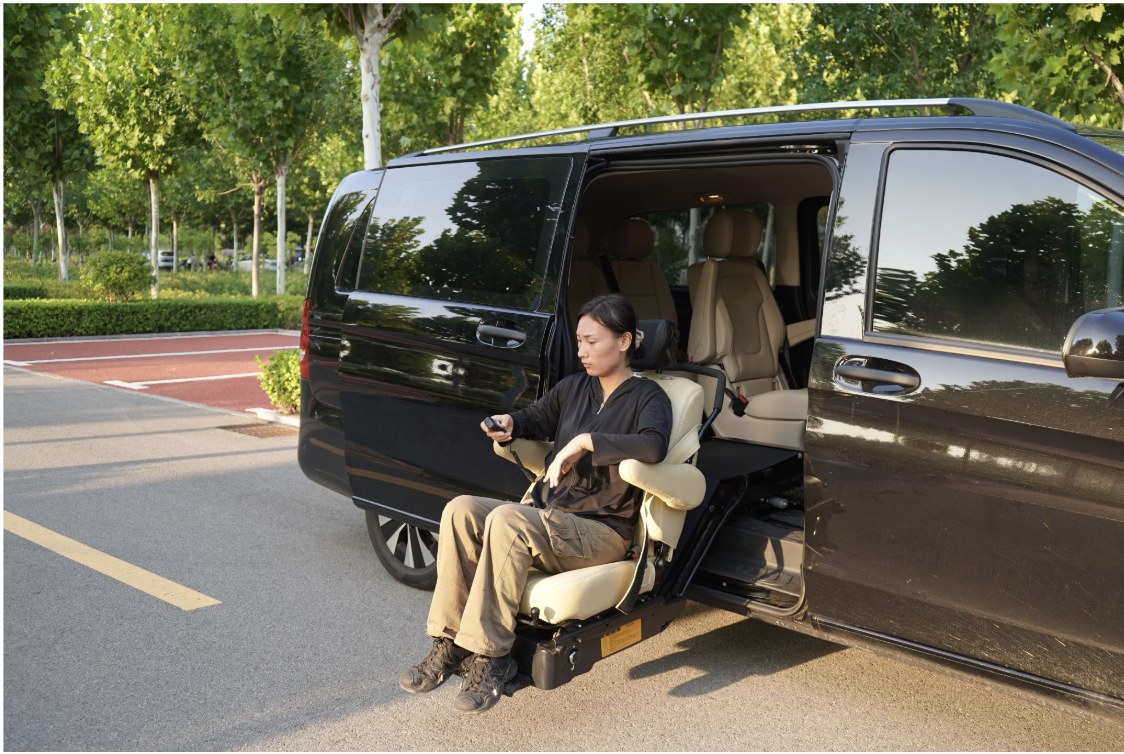
For many, travelling in your own car or an adapted vehicle offers the greatest freedom and flexibility. You can pack everything you need, travel at your own pace, and enjoy day trips without relying on public transport. Before setting off, it’s worth making sure your Motability vehicle has been properly serviced and is ready for the journey. Booking a trusted Motability car service helps keep your vehicle in excellent condition and gives you added confidence for the miles ahead.
Exploring Destinations Inclusively
Once you’ve arrived, the fun can really start! Many museums, galleries, and big attractions have made huge improvements in accessibility. Check their websites before you go for info on accessible entrances, lifts, hearing loops, and discounted tickets for disabled visitors and their companions.
Don’t forget about smaller, local experiences. A quick call to a local park might reveal a smooth, flat path perfect for someone using a wheelchair or walking with a stick. Many cities also have accessible boat tours, open-top bus tours, or guided walks designed to be inclusive. Apps like AccessAble or Wheelmap can help you find tried-and-tested accessible places recommended by other disabled people.
Beyond the Basics of Mobility
Accessibility is about so much more than just ramps and lifts. It’s about creating a space where everyone feels welcome and comfortable. This means thinking about people with sensory sensitivities or hidden disabilities too. For example, some attractions offer ‘quiet hours’ with less noise and fewer people. This can be a lifesaver for autistic individuals or those with anxiety.
It’s also good to know about facilities like Changing Places toilets. These are bigger than standard accessible toilets and come with a hoist and changing bench. They’re essential for people with profound disabilities who can’t use a regular toilet. The Changing Places website has a map of registered facilities across the UK, which can be a huge help when planning your days out.
Ultimately, a well-planned trip removes barriers and opens up a world of possibilities. With a bit of research and clear communication, you can make sure your next holiday is accessible, enjoyable, and full of wonderful memories.
Leave a Reply